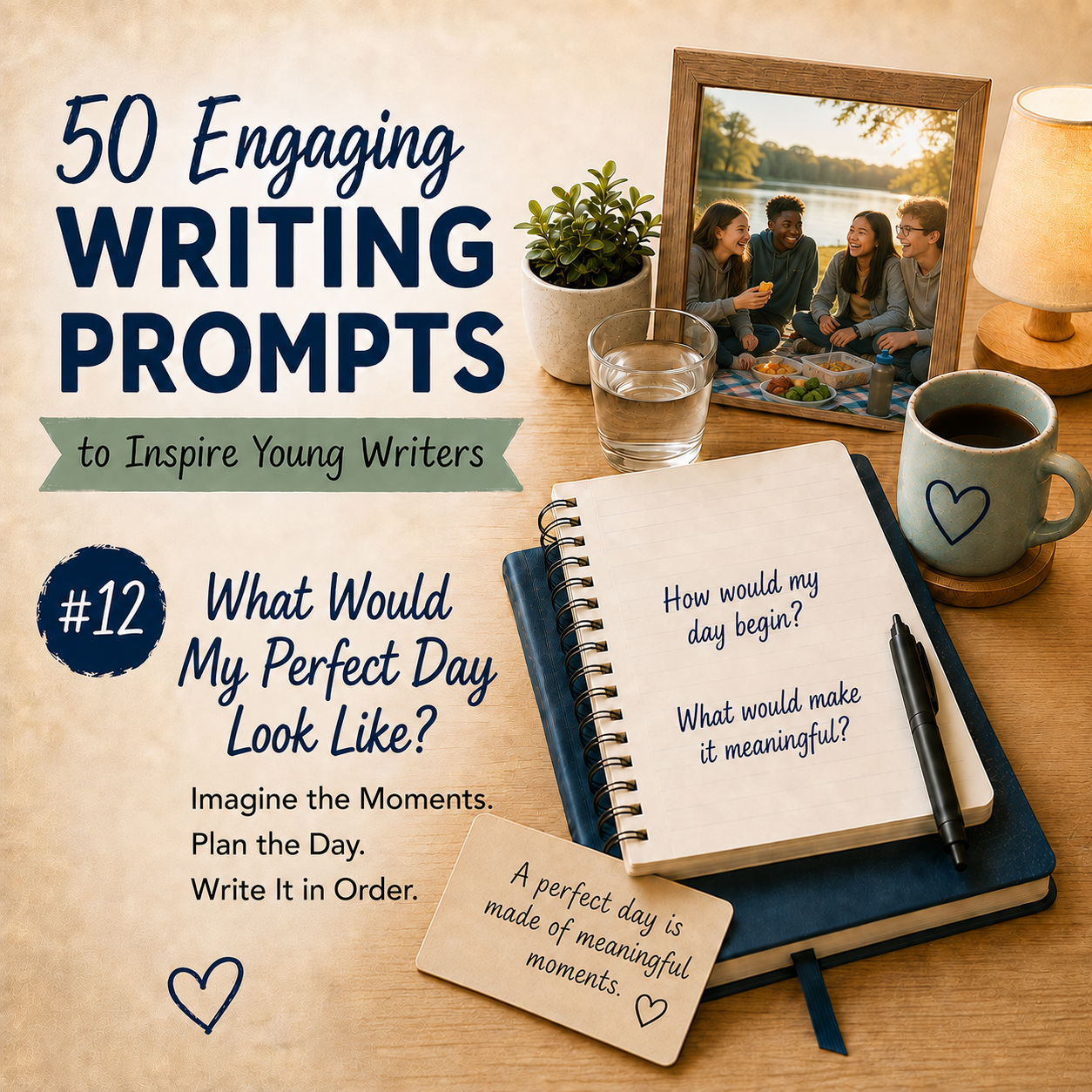
50 Engaging Writing Prompts #12: What Would My Perfect Day Look Like?
Looking for free writing prompts for students? What Would My Perfect Day Look Like? is a printable journal activity that helps students imagine a meaningful day from beginning to end, discover what brings them happiness and contentment, and strengthen their writing through chronological order, time transitions, and specific details. Perfect for homeschool families, classrooms, and independent writers in grades 5–10.
Reading Time: 5 minutes
Estimated Writing Time: 10–15 minutes
We can all imagine the perfect day– and it is likely different for all of us. So many things can make the day just right for someone. Perhaps yours includes family. Someone else’s might focus on food and activities. Another’s may be going to a special event. Whatever it is, the perfect day could create lasting memories.
A perfect day does not need to be expensive or extraordinary. Sometimes, the most ordinary moments create those lasting memories because of where they happen, the people involved, and the feelings they produce. Achieving the perfect day might not be as far out of reach as one might think!
When we write about a series of events, we need to place them in a clear order. Time transitions help our readers follow along with our story. They also help readers picture the day like they are with us.
Today, think about your perfect day and what you would do from the moment you wake up until you go to bed. Where would you be? What would you do? Who would be with you? What would make the day feel perfect for you?

Journal Prompt
What Would My Perfect Day Look Like?
Imagine that you can design your perfect day from beginning to end.
Describe where you would be, what you would do, and who—if anyone—would spend the day with you. Organize the events in chronological order and use time transitions to guide your reader through the day.
Include specific details and explain why the different moments would be meaningful or enjoyable to you.
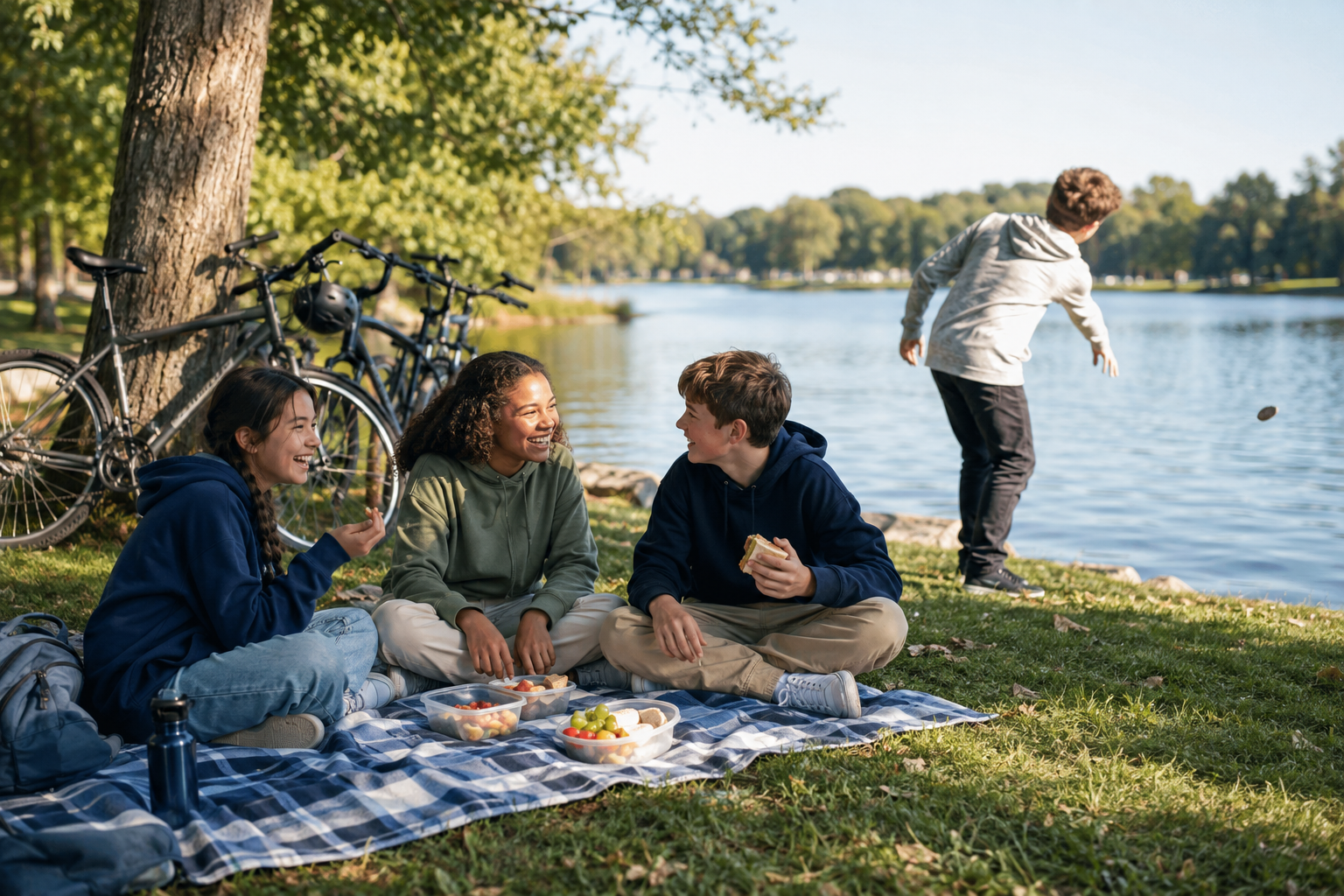
Reflection Questions
Use these questions if you need help developing your ideas. You do not need to answer every question.
Where would you wake up?
What would you see, hear, or smell first?
Who would spend the day with you?
Would you prefer a busy adventure or a peaceful day?
What would you eat?
What activities would you choose?
Would you visit a special place?
What moment would you look forward to most?
How would you feel throughout the day?
What would make the ending of the day memorable?
Which parts of this day could you experience in real life?
What do your choices reveal about what matters to you?
Why Does This Matter?
Imagining a perfect day can help us recognize what brings us happiness, peace, excitement, or contentment. Our choices may reveal that the moments we value most are connected to relationships, creativity, adventure, rest, or meaningful experiences.
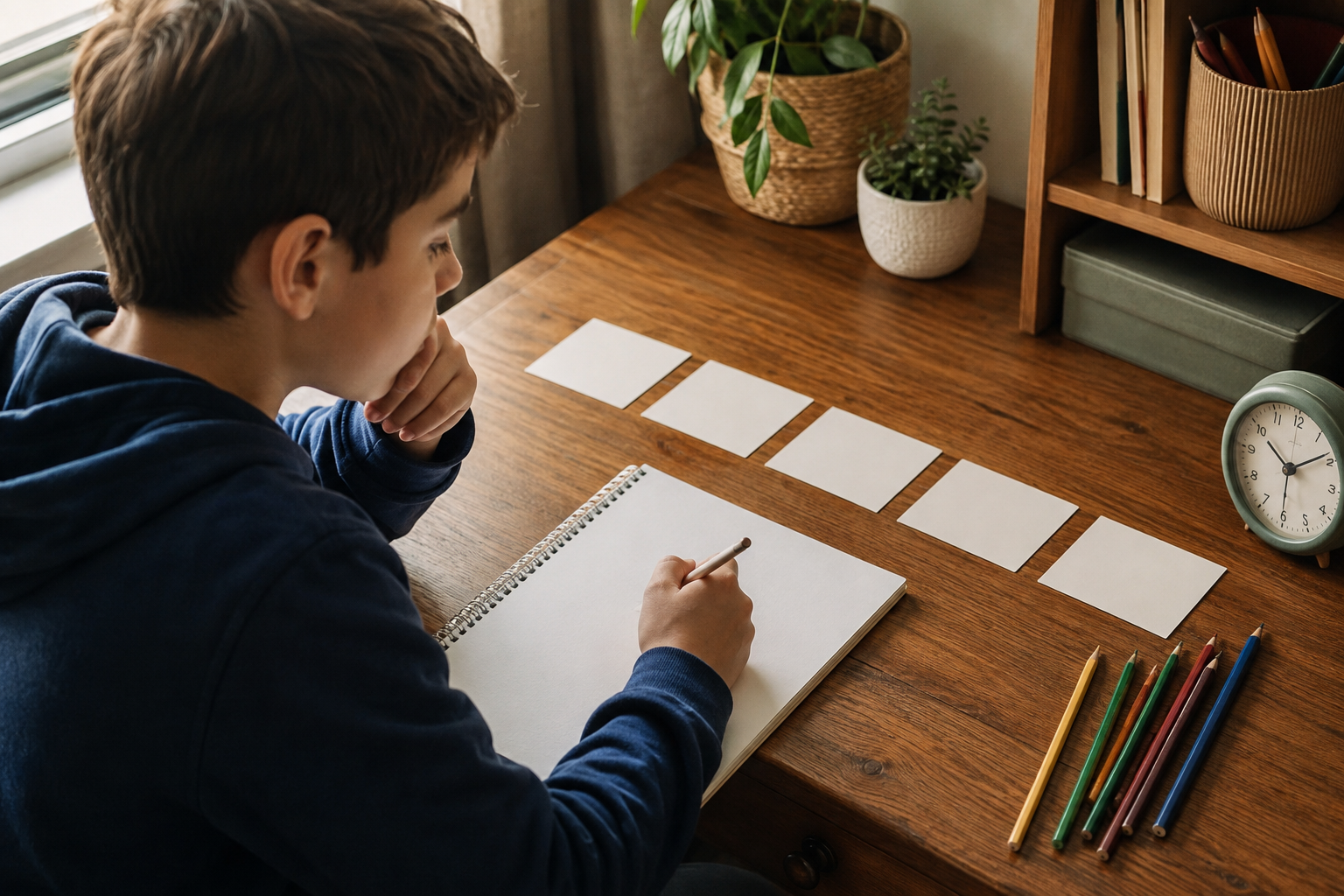
Writing about an entire day also teaches us how to organize events. When writers place events in chronological order and use clear transitions, readers can follow the action without becoming confused.
Vocabulary Word
Contentment
Part of speech: Noun
Definition: A peaceful feeling of happiness and satisfaction.
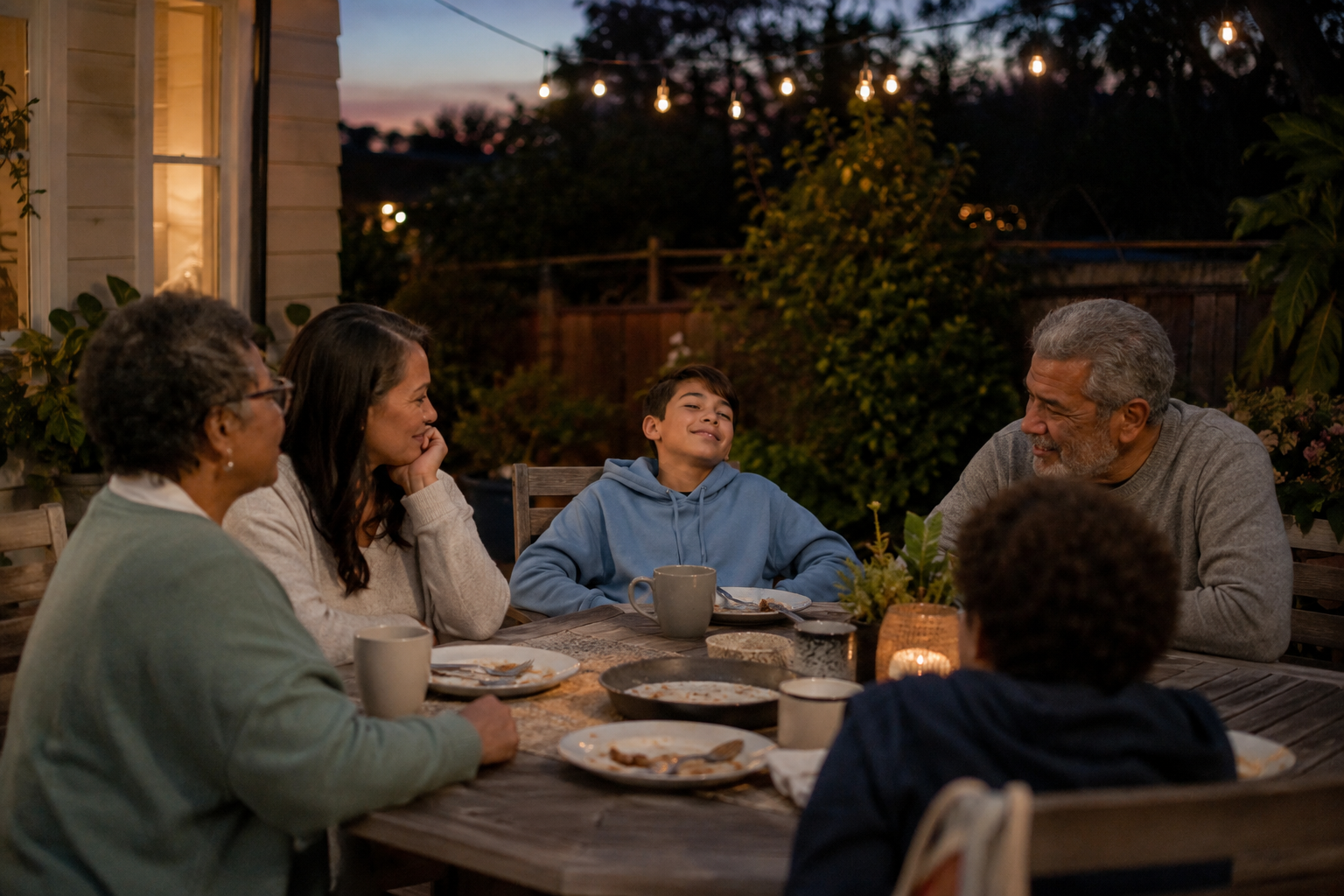
Example: As Maya watched the sunset with her family, she felt a quiet sense of contentment.
Writing Challenge: Use contentment, content, or satisfied somewhere in your response.
Writer’s Tip: Use Chronological Order
Chronological order means arranging events in the order in which they happen.
A perfect-day response might move through:
Morning
Midday
Afternoon
Evening
Night
Time transitions help readers move from one part of the day to another.
Beginning the Day
When I first woke up
At sunrise
Early that morning
To begin the day
First
Moving Through the Day
After breakfast
A little later
Before long
By midday
During the afternoon
After that
Meanwhile
Ending the Day
As evening approached
After sunset
Later that night
At the end of the day
Finally
Avoid beginning every sentence with then. Select transitions that clearly show how much time has passed.
Instead of: I woke up. Then I ate breakfast. Then I went to the lake. Then we had dinner.
Try: At sunrise, I woke to the sound of waves outside my window. After a slow breakfast with my family, we carried our towels down to the lake. As evening approached, we gathered around the table for my favorite meal.
The improved example helps the reader follow the day while also adding meaningful details.
Try It!
Choose a transition for each part of your day.
Morning: _____________________________________
Midday: ______________________________________
Afternoon: ____________________________________
Evening: ______________________________________
End of the day: ________________________________
Inspirational Quote
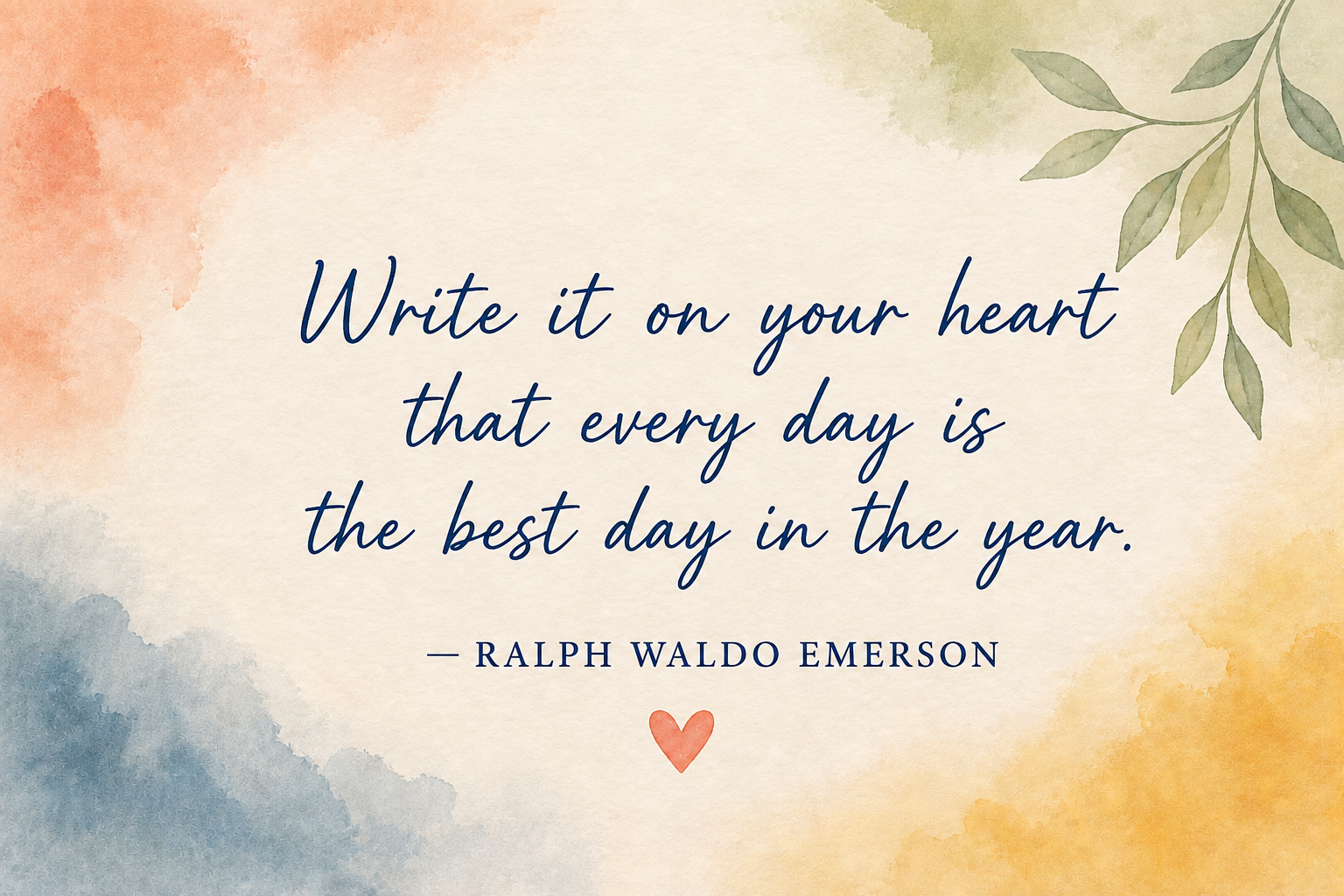
“Write it on your heart that every day is the best day in the year.”
— Ralph Waldo Emerson
Do you think a day becomes “the best” because of what happens or because of how we choose to notice and appreciate it? Explain your answer.
Bonus Writing Challenge
Begin your response by placing your reader directly inside the first moment of your day.
Instead of beginning with: My perfect day would begin at the beach.
Try: Warm sunlight slipped through the curtains as the steady sound of waves woke me.
Start with an image, sound, smell, action, or feeling. Then reveal where you are and what will happen next.
Keep Writing
A perfect day is not always created by perfect circumstances. It can begin with noticing what matters, appreciating meaningful moments, and sharing some of that happiness with others.
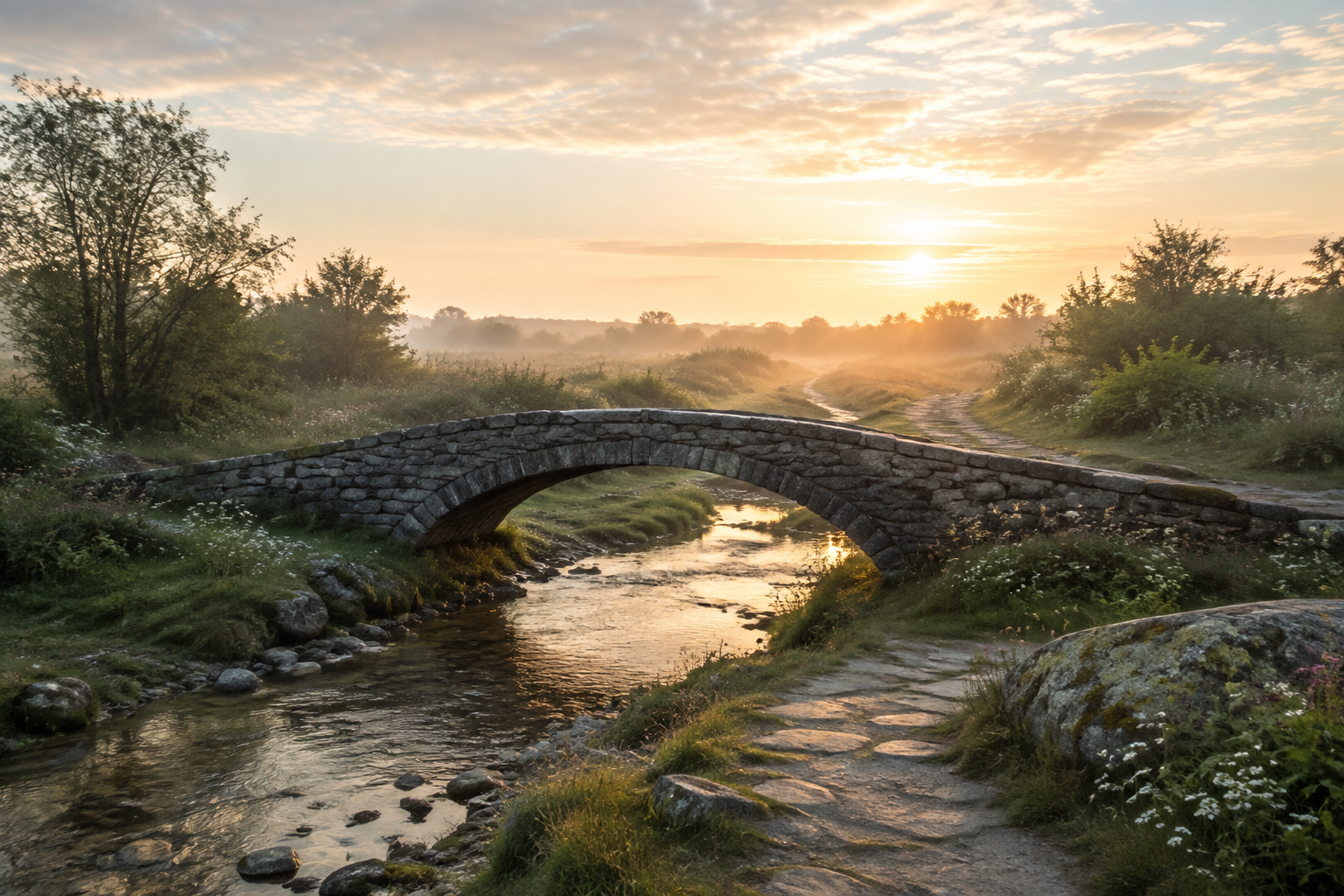
Every sentence you write is another stone in the bridge you are building toward a better future.
Keep writing.
Keep growing.
Keep building.